
June 15, 2026 / Dr. Hussain Kotawala & Team
AI / .mdNewborn Vaccination Schedule: India's Infant Immunisation Chart (Month-by-Month)
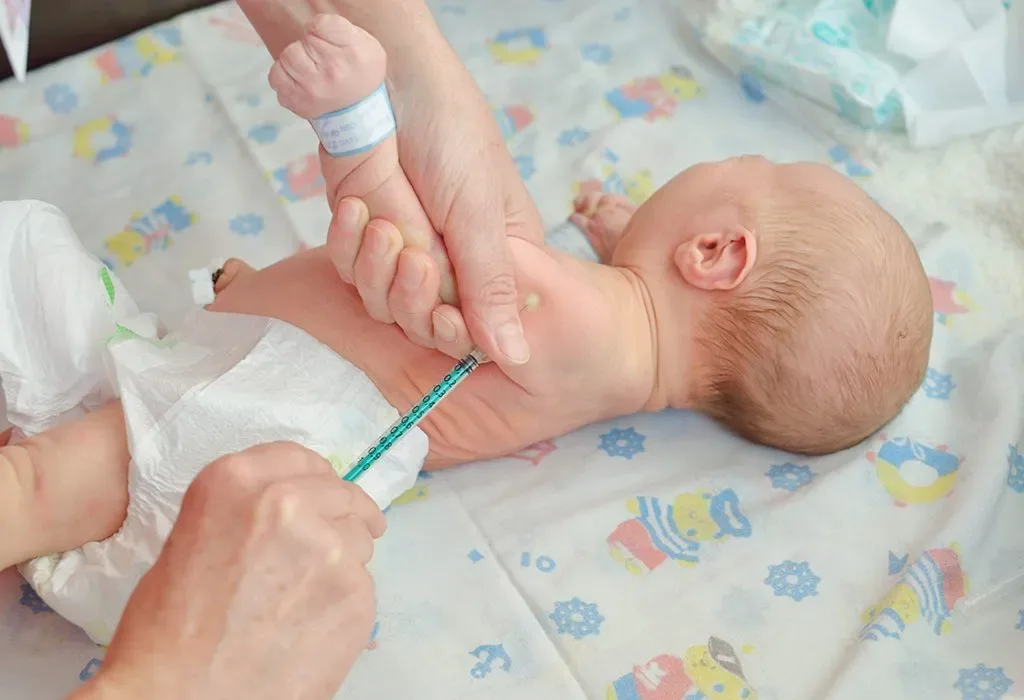
Bringing a newborn home is one of the most joyful — and overwhelming — experiences a family can have. Among the many things new parents need to track, vaccination is one of the most important. Vaccines protect your baby from serious, sometimes life-threatening, vaccine-preventable diseases (VPDs) like tuberculosis, polio, hepatitis B, measles, and whooping cough during the most vulnerable years of life.
This guide gives you a complete, easy-to-follow baby vaccination chart based on India's Universal Immunization Programme (UIP) and IAP (Indian Academy of Pediatrics) recommendations, along with practical tips to make every vaccination visit smoother.
Why Immunization Matters
A newborn's immune system is still developing. While babies receive some protective antibodies from their mother during pregnancy and breastfeeding, this natural immunity fades within the first few months of life — right around the time exposure to the outside world increases.
Immunisation works by training the baby's immune system to recognize and fight specific viruses and bacteria before a real infection occurs. The benefits go beyond the individual child:
- Direct protection — Reduces the child's risk of contracting diseases like polio, diphtheria, tetanus, and measles.
- Severity reduction — Even in rare breakthrough cases, vaccinated children typically experience milder illness.
- Community/herd immunity — High vaccination coverage protects infants too young to be vaccinated and those who are immunocompromised.
- Long-term health and economic benefit — Preventing disease avoids hospitalization costs, complications, and developmental setbacks.
According to the WHO, immunization prevents an estimated 3.5–5 million deaths every year globally from diseases like diphtheria, tetanus, pertussis, influenza, and measles. India's Universal Immunization Programme is one of the largest public health programmes in the world, reaching millions of newborns annually.
India's Official Vaccine Schedule
India follows two parallel frameworks that most pediatricians recommend combining for the best protection:
- Universal Immunization Programme (UIP) — The government's free vaccination schedule, available at government hospitals, primary health centres (PHCs), and Anganwadi centres.
- IAP (Indian Academy of Pediatrics) Schedule — Includes UIP vaccines plus additional recommended vaccines (like rotavirus, pneumococcal conjugate vaccine, varicella, and others) often given at private clinics.
Most pediatricians in India today recommend a schedule that blends both — ensuring your baby gets the essential government vaccines as well as additional protection where feasible.
Month-by-Month Baby Vaccination Chart
This comprehensive immunisation chart details key vaccination timelines recommended by both government programs and pediatrics academies:
| Age / Timeline | Recommended Vaccines | Protection Against |
|---|---|---|
| At Birth (0–15 days) | BCG, OPV-0, HepB-0 | Tuberculosis, Polio, Hepatitis B |
| 6 Weeks | OPV-1, Pentavalent-1, Rotavirus-1, PCV-1, IPV-1 | Polio, Diphtheria, Pertussis, Tetanus, Hep B, Hib, Rotavirus Diarrhea, Pneumonia |
| 10 Weeks | OPV-2, Pentavalent-2, Rotavirus-2, PCV-2 | Polio, Diphtheria, Pertussis, Tetanus, Hep B, Hib, Rotavirus Diarrhea, Pneumonia |
| 14 Weeks | OPV-3, Pentavalent-3, Rotavirus-3, IPV-2, PCV-3 | Polio, Diphtheria, Tetanus, Whooping Cough, Hep B, Hib, Rotavirus, Pneumococcal disease |
| 6 Months | Hepatitis B – 3rd dose, OPV booster | Hepatitis B, Polio |
| 9 Months | Measles-Rubella (MR) – 1st dose | Measles and Rubella |
| 9–12 Months | PCV booster, Typhoid Conjugate (TCV) | Pneumococcal disease, Typhoid Fever |
| 12 Months | Hepatitis A – 1st dose | Hepatitis A (liver disease) |
| 15 Months | MMR – 1st dose, Varicella – 1st dose | Measles, Mumps, Rubella, Chickenpox |
| 16–18 Months | DPT Booster-1, OPV Booster, IPV Booster, Hib Booster | Diphtheria, Pertussis, Tetanus, Polio, Hib infections |
| 18–19 Months | Hepatitis A – 2nd dose | Hepatitis A |
| 2 Years | Typhoid Conjugate booster | Typhoid Fever |
| 4–6 Years | DPT Booster-2, OPV Booster, MMR-2, Varicella-2 | Diphtheria, Pertussis, Tetanus, Polio, Measles, Mumps, Rubella, Chickenpox |
Before & During the Visit
- Maintain card records — Keep cards safe since schools in India frequently require immunization records for admission.
- Feed before the visit — A feed before the visit helps comfort the baby, but avoid feeding immediately before to prevent spit-ups.
- Comfort during shots — Hold your baby close; skin-to-skin contact or feeding immediately after significantly reduces crying.
- Ask about combination vaccines — Combined vaccines reduce injections, which means fewer clinic visits and less distress.
Aftercare Tips
- Expect mild side effects — Low-grade fever, soreness at the injection site, and fussiness are normal responses.
- Don't delay or skip — Spacing out vaccines on your own is not recommended and leaves your baby unprotected for longer.
- Expect normal appetite changes — A slight decrease in feeding for 24–48 hours is expected as the immune system builds defense.
Addressing Common Vaccine Myths
This claim originated from a single, since-retracted and discredited study. Large-scale studies involving millions of children worldwide have found no link between vaccines and autism.
A newborn's immune system handles thousands of antigens daily from food, environment, and normal contact. The antigen load from vaccines is a tiny fraction of what babies' bodies manage routinely.
While natural infection can produce immunity, it comes with real risk of severe illness, hospitalization, and complications — something vaccines avoid while still building protection.
A healthy-looking baby can still be exposed to and contract serious diseases. Vaccination is preventive, not reactive — by the time symptoms of a VPD appear, the protective window has already passed.
If Baby Is Sick on Vaccine Day
- Mild illness is fine — Runny nose, mild cough, or low fever under 100.4°F is usually NOT a reason to delay.
- Reschedule for severe sickness — High fever or active moderate/severe infections warrant rescheduling with your pediatrician.
- Never self-decide to skip — Call your pediatrician's clinic before the appointment to ask whether to proceed.
Final Thoughts
Staying on top of your baby's immunisation schedule is one of the simplest and most powerful things you can do as a parent to protect their long-term health. Keep your vaccination card handy, set reminders for upcoming doses, and maintain open communication with your pediatrician about any concerns.
Patient Stories
When to Consult a Pediatric Surgeon
If you notice anything unusual, it’s always better to get an expert opinion early. Consult a pediatric surgeon if the testis is not visible after 6 months, you are unsure about your child’s condition, or there is swelling.
Dr. Hussain Kotawala: With 15+ years of experience overall and 5000+ successful pediatric surgeries, specializes in treating conditions like undescended testis using advanced, minimally invasive, and child-friendly techniques for a safe and completely precise recovery.
Book a Visit
Topic Insights

Written By
Dr. Hussain Kotawala & TeamPediatric Surgeon & Specialist
Share Article