

Hernia in Children: Symptoms, Treatment & Surgery in Mumbai
If you notice a swelling in your child’s groin or belly, especially when they cry or strain, it could be a hernia.
This can be worrying for parents, but the good news is — hernia in children is common and treatable with safe surgery.
While some childhood hernias resolve on their own, many require surgical correction to prevent complications. Understanding the signs and treatment options is crucial for ensuring your child’s health and well-being.
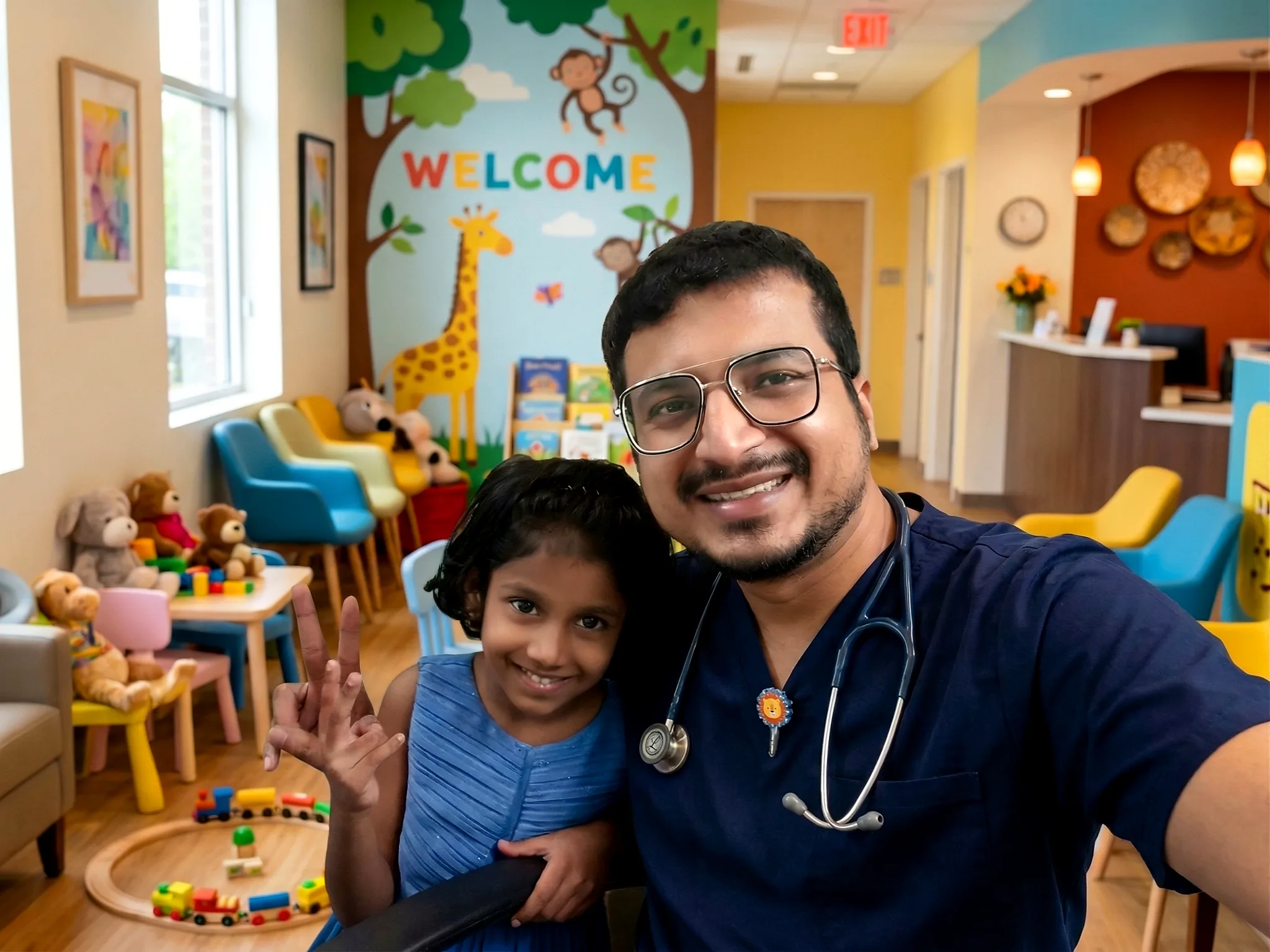
Dr. Hussian Kotawala is here to help you understand the causes and provide the best possible care for your child.
What is Hernia in Children?
A hernia occurs when an internal organ or tissue pushes through a weak spot in the abdominal wall. In children, hernias are most commonly found in the groin area (inguinal hernia) or around the belly button (umbilical hernia).
In children, this usually appears as a soft swelling:
- Groin area (inguinal hernia)
- Around the belly button (umbilical hernia)
The swelling may come and go, especially when the child cries, coughs, or strains.
Symptoms Parents Should Not Ignore
While some hernias are harmless, others need prompt medical attention. Look out for:
- Swelling in the groin or abdomen
- Swelling increases when crying or coughing
- Swelling disappears when the child is relaxed
- Pain or discomfort (in some cases)
- Irritability in infants
"These are early signs that should not be ignored."
Is Hernia Dangerous in Children?
This is one of the most common questions parents ask.
Hernia is not always dangerous, but it can become serious if untreated.
Complications may include:
- Umbilical hernia - May close on its own by age 3–4
- Inguinal hernia - Does NOT go away on its own
Inguinal hernia always requires surgery.
When is Surgery Needed?
Surgery is recommended when:
- Hernia is inguinal (most common)
- Swelling persists or increases
- Child has pain or discomfort
- Risk of complications is present
Early planned surgery is safer than emergency surgery.
Types of Hernia in Children
The most common types of hernias in children are:
These are usually the most common type of hernia in children.
- Occurs when the inguinal canal fails to close during fetal development, allowing abdominal content to enter the groin or scrotum.
- 1%–5% of children; more common in boys and premature infants.
- Surgical repair is required to prevent strangulation.
- Appears near the belly button
- Often resolves naturally
- Surgery needed only if persistent
Occurs when intestines push through the abdominal muscles between the navel and chest.
Treatment: Small ones may not need treatment, but larger ones require surgery.
Cost of Hernia Surgery in Mumbai
The cost depends on:
- Type of hernia
- Surgical method
- Hospital facilities
Estimated cost range: ₹30,000 – ₹1,00,000
Recovery After Surgery
Parents often worry about recovery — but it is usually smooth.
What to expect:
- Hospital stay: 1 day (sometimes day-care)
- Mild discomfort for a few days
- Quick healing
After recovery:
- Child can play normally
- No long-term restrictions
- Very low recurrence risk
When to Consult a Pediatric Surgeon in Mumbai
Consult immediately if:
- You notice swelling in your child’s groin or abdomen
- Swelling becomes painful
- It does not go away
- Child is irritable or uncomfortable
Key Highlights
- Common in infants and kids
- Visible swelling signs
- Safe surgical correction
- Quick recovery
Patient Stories
Why Choose Dr. Hussain Kotawala
Choosing the right specialist makes a big difference in your child’s recovery and comfort. With specialized pediatric surgical care, you get:
Pediatric urologists are trained specifically to handle delicate conditions in infants and children, ensuring the best outcomes.
Consult Dr. Hussain Kotawala experienced pediatric urologist in Mumbai for accurate diagnosis and safe treatment.
Hospital Visit & Diagnostics
Upon consultation, your child will undergo an evaluation to determine the best clinical path forward.
A gentle, non-invasive checkup of symptoms.
Evaluating past records for diagnostic accuracy.
Low-dose X-rays or pain-free ultrasound scans.
Need Expert Guidance on Hernia in Children?
Schedule an in-person consultation or speak with Dr. Hussain Kotawala's medical team for your child's care in Mumbai.