
September 09, 2026 / Dr. Hussain Kotawala & Team
AI / .mdKidney Stones in Children: 7 Warning Signs Parents Miss
Kidney stones are often thought of as an adult health condition, but children and teenagers can develop them too. In many young patients, a small stone may initially cause no symptoms at all. However, the moment that stone begins moving through the urinary tract, it can trigger sudden excruciating pain, persistent vomiting, painful urination, and severe blockage. Because infants and younger children cannot always pinpoint back or flank pain clearly—often describing it merely as a tummy ache or unexplained restlessness—recognizing the early warning signs is vital for every parent.
What Are Pediatric Kidney Stones?
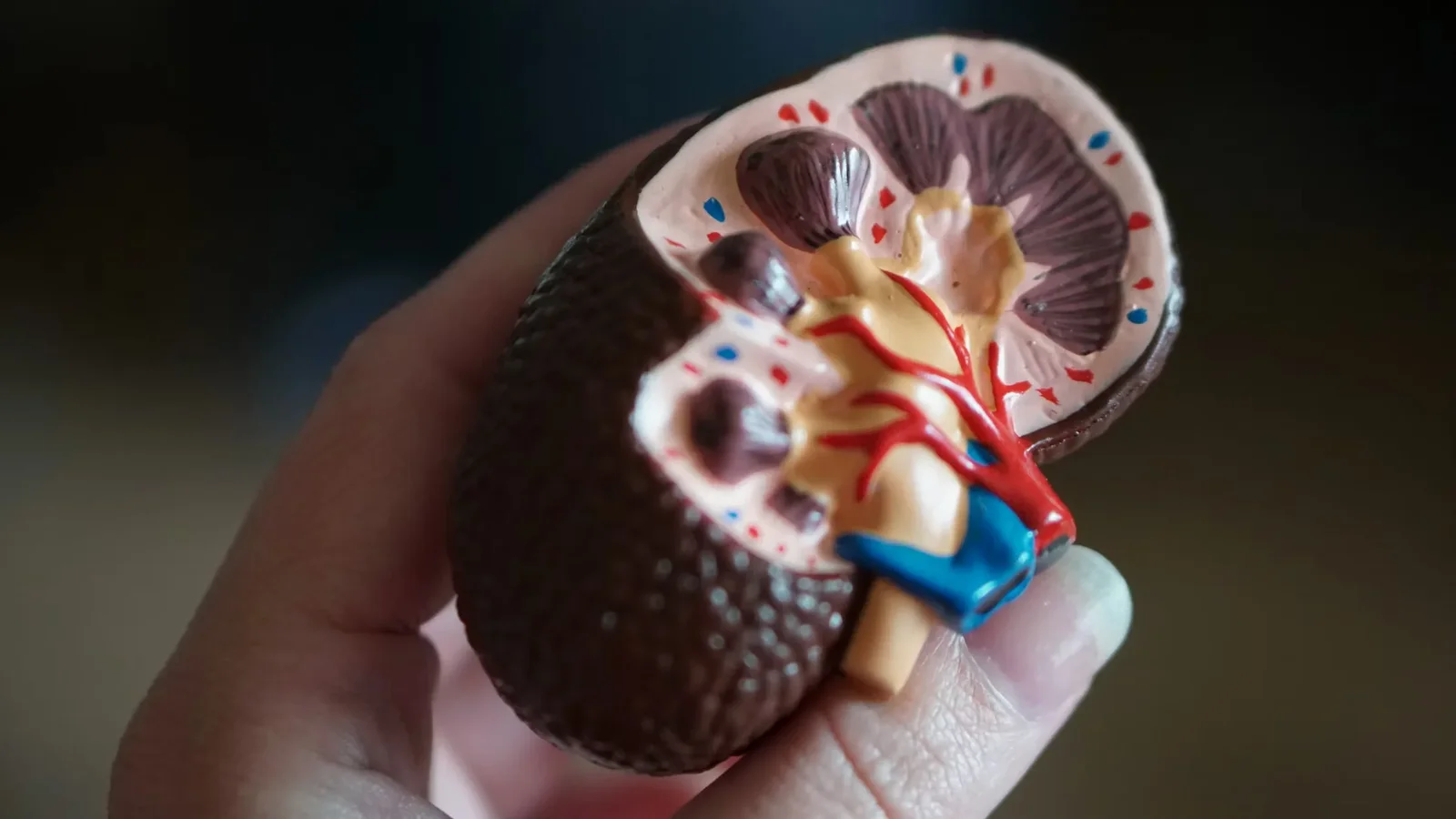
A kidney stone is a hard, crystalline deposit formed when minerals and salts in urine become highly concentrated and crystallize together. While some small stones pass through the urinary system naturally, larger stones can lodge in the ureter or renal pelvis, impeding urine flow and causing acute renal colic. The most common varieties in children include:
- Calcium oxalate & calcium phosphate stones — The most common pediatric stones, closely linked to dietary sodium, oxalate intake, and concentrated urine.
- Uric acid stones — Formed when the urine is persistently acidic, often influenced by metabolic patterns, high purines, or chronic dehydration.
- Struvite & cystine stones — Less common stones resulting from recurrent urinary tract infections (struvite) or inherited genetic metabolic disorders like cystinuria.
Pediatric kidney stone incidence has been steadily rising in urban centers like Mumbai. Medical studies link this shift to chronic sub-clinical dehydration, high-sodium packaged snacks, and warm coastal climates that accelerate fluid loss during school routines.
7 Kidney Stone Warning Signs Parents Should Not Ignore
Because a child's complaints are easily mistaken for stomach flu, indigestion, or muscle strain, parents should watch for this specific combination of symptoms:
- Sudden back, flank, or side pain — Sharp, spasmodic pain that comes in waves and may radiate toward the lower abdomen or groin as the stone travels.
- Nausea and vomiting alongside pain — Severe renal colic triggers visceral nerve pathways causing reflex vomiting, often mistakenly treated as food poisoning.
- Blood in the urine (hematuria) — Urine appearing pink, red, brown, or tea-colored due to the abrasive edges of the stone irritating the ureteral lining.
- Cloudy or foul-smelling urine — An indicator of secondary urinary tract infections, especially when accompanied by sudden fever or shivering chills.
- Pain or burning while urinating (dysuria) — Sudden complaints that it hurts or stings to pee, frequently paired with urgency or small, split streams.
- Urinary hesitancy or difficulty passing urine — Repeated urges to urinate with minimal output, or an inability to pass urine when a stone obstructs the neck of the bladder.
- Unexplained irritability in toddlers & infants — Continuous crying, food refusal, curling legs toward the abdomen, and an inability to find a comfortable resting posture.
Comparing Pediatric Treatment: Conservative Management vs. Laser Surgery
Treatment depends entirely on stone size, location, composition, and whether it is actively obstructing urinary drainage:
| Clinical Factor | Conservative Medical Therapy | Pediatric Laser Stone Surgery (RIRS / PCNL) |
|---|---|---|
| Best Suited For | Small stones (< 4–5 mm) without kidney obstruction | Large (> 5–6 mm), impacted, or obstructive stones |
| Hospitalization | Home-based medical expulsion & hydration | Daycare or short 24-hour observation stay |
| Procedure Method | Oral fluids, analgesics, & close ultrasound monitoring | Minimally invasive Holmium/Thulium laser dusting |
| Incision & Scars | Non-invasive | Zero incisions (natural urinary tract access via ureteroscopy) |
Dehydration & Mumbai Lifestyle
Why children in Mumbai face unique hydration hurdles:
- Long transit hours — School bus journeys and busy schedules often cause children to avoid drinking water or delay urination.
- Warm coastal climate — High humidity leads to substantial sweat loss, concentrating urinary calcium and oxalate.
- Insufficient water routines — Waiting until thirst occurs already signals mild dehydration; fluids must be offered proactively.
Diet, Sodium & Protein Powders
Separating facts from common internet myths:
- High sodium loads — Packaged snacks, chips, and fast foods force excess calcium into urine, triggering crystal formation.
- Protein & whey supplements — Whey protein does not automatically cause stones, but unmonitored supplements can overload kidneys in predisposed kids.
- Never self-supplement — Always review sports supplements with a pediatric urologist before starting or stopping regimens.
When Parents Should Seek Urgent Medical Care
If your child cannot pass urine despite painful straining, a stone may be completely blocking urinary flow. This is a critical medical emergency requiring urgent decompression to safeguard renal function.
A kidney stone coupled with bacterial infection (pyelonephritis) can rapidly lead to urosepsis. Immediate hospital-based pediatric evaluation and intravenous antibiotic therapy are essential.
When relentless nausea prevents the child from keeping any oral fluids or medications down, urgent clinical admission for IV hydration and definitive stone localization is required.
How Pediatric Stones Are Diagnosed
- Radiation-free ultrasound — Renal and bladder ultrasound is the gold standard initial imaging to locate stones without radiation exposure.
- Urinalysis & microscopy — Assesses microscopic hematuria, urinary pH, and flags active bacterial infections.
- Blood & renal panel — Evaluates serum creatinine, calcium, electrolytes, and uric acid levels.
- Metabolic evaluation — Post-treatment stone composition analysis and 24-hour urine collection to identify root causes and stop recurrences.
5 Ways to Prevent Future Stones
- Proactive water intake — Keep urine pale and clear by providing regular water breaks throughout school and sports.
- Moderate dietary sodium — Limit ultra-processed snacks, chips, and instant noodles that cause hypercalciuria.
- Do not cut out dairy calcium — Dietary calcium binds oxalates in the gut; never restrict milk without specialist advice.
- Promote active play — Daily physical movement supports healthy metabolic balance and bone mineral retention.
The Takeaway for Parents
Kidney stones in children must never be dismissed as an adult-only condition. Early specialist evaluation by an experienced pediatric urologist ensures that harmless small stones are managed conservatively, while obstructive stones are treated using gentle, scarless laser techniques. For children diagnosed with complex or symptomatic stones, learn more about pediatric laser kidney stone surgery in Mumbai to explore child-safe, minimally invasive treatment options.
Medical Disclaimer: This article is published for educational guidance and does not replace direct clinical consultation, diagnosis, or personalized treatment from a qualified pediatric surgeon or pediatric urologist.


Patient Stories
When to Consult a Pediatric Surgeon
If you notice anything unusual, it’s always better to get an expert opinion early. Consult a pediatric surgeon if the testis is not visible after 6 months, you are unsure about your child’s condition, or there is swelling.
Dr. Hussain Kotawala: With 15+ years of experience overall and 5000+ successful pediatric surgeries, specializes in treating conditions like undescended testis using advanced, minimally invasive, and child-friendly techniques for a safe and completely precise recovery.
Book a Visit
Topic Insights

Written By
Dr. Hussain Kotawala & TeamPediatric Surgeon & Specialist
Share Article